
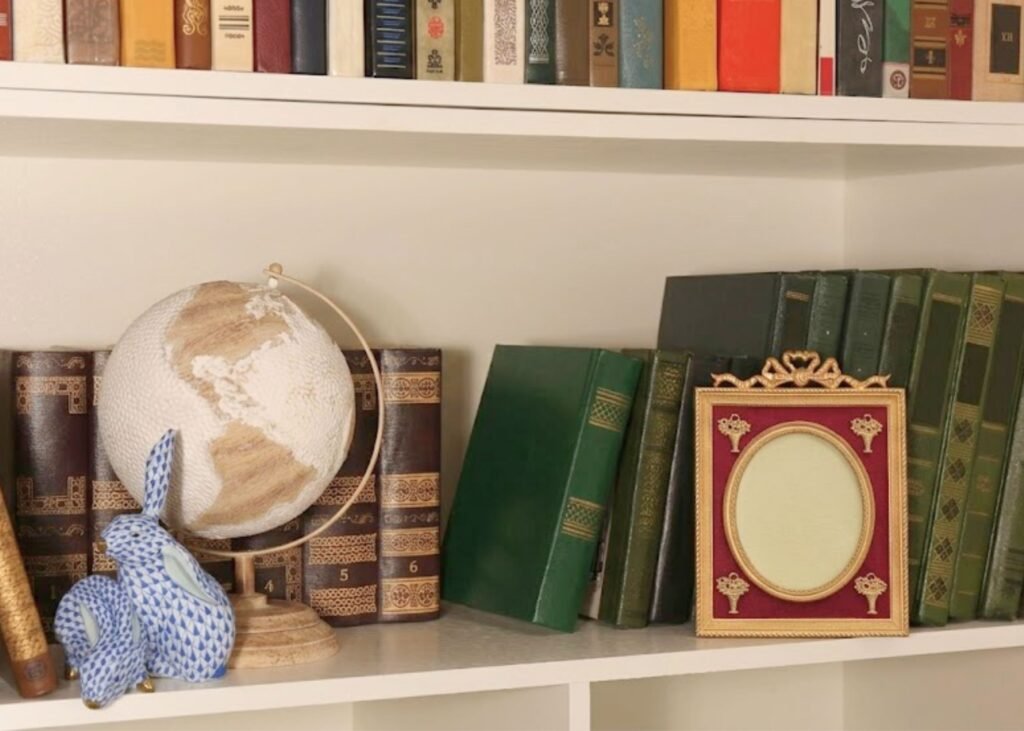
People dust their bookshelf every week and never really look at what’s on it. That little brass duck, the small globe, the porcelain rabbit your aunt gave you. Most of that stuff is just filler, but some of it is not.
Many of these old bookshelf items are actually worth a fortune today. Below are popular categories of bookshelf knick-knacks that regularly sell to collectors. Learn what makes them valuable and how much they can be worth.
Small Bookshelf Items That Can Be Worth a Fortune
Let’s take a look at the antique and vintage pieces from a bookshelf that are popular among collectors today.
1. Decorative Bookends (Marble, Brass, Cast Iron, Wood)
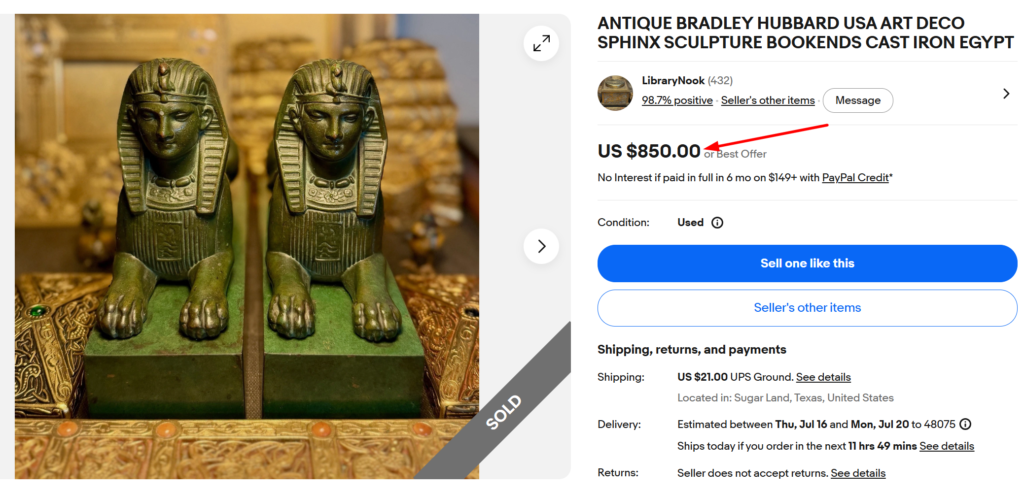
Bookends are one of the most overlooked pieces on any shelf. Solid brass duck heads by Leonard Silver, Virginia Metalcrafters, and Sarreid Ltd. show up constantly at thrift stores because most people don’t recognize the maker stamps on the felt-lined bases.
Cast iron figural bookends from Bradley & Hubbard and Mexican onyx horse heads are also strong sellers, and older pairs in matching condition do better than singles.
- Estimated Value: $40 to $500+ per pair
- Production Years: 1920s to 1980s (peak demand)
- What to Check: Base stamps, weight, matched pair
- Quick Notes: Solid brass beats brass-plated every time
2. Miniature & Vintage Globes
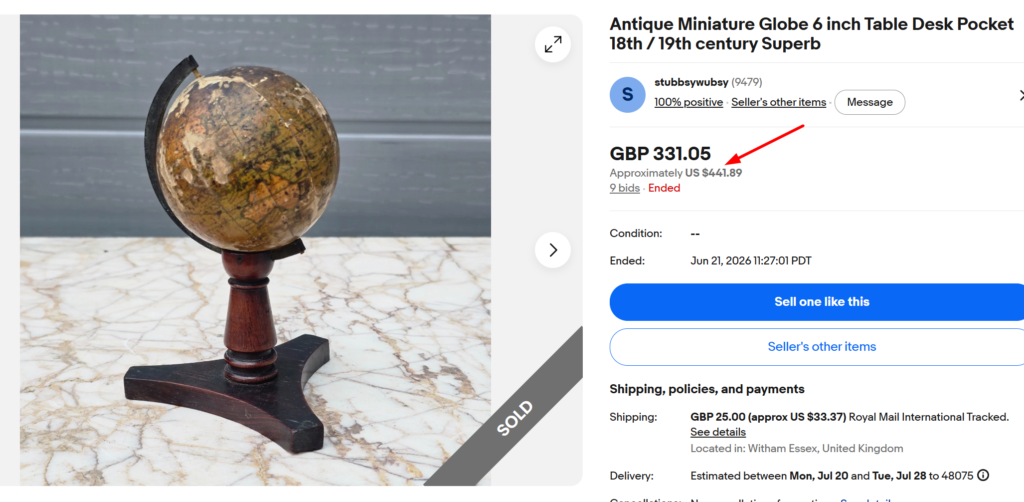
Small vintage globes sit on countless shelves, and most people have no idea the older ones are collectible. Replogle made in Chicago, Cram’s Imperial, and Rand McNally are the big three American names.
You can date them by the country borders, since pre-1991 globes still show the USSR, and pre-1990 ones show East and West Germany. Armillary spheres and celestial globes are especially collectible.
- Estimated Value: $75 to $800+
- Production Years: 1940s to 1980s
- What to Check: Political borders for dating
- Quick Notes: Original stand and working light add value
3. Vintage Mantel & Desk Clocks
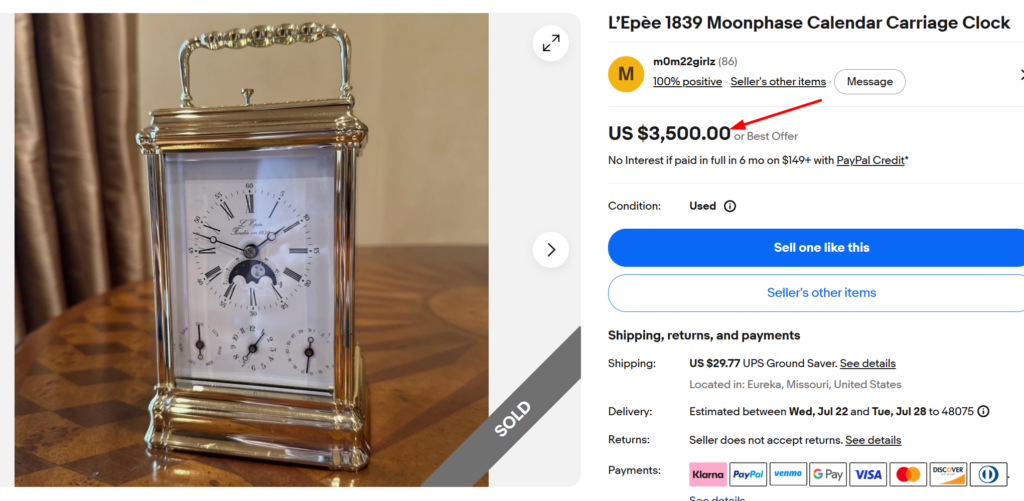
Small mantel clocks used to be a household fixture, and the ones from the late 1800s through the 1920s are the pieces collectors want now. If the clock still runs and keeps time, that alone can double what it brings.
Seth Thomas is the big American name here, and their Adamantine line stands out for its celluloid veneer glued over the wood case, made to imitate marble, onyx, or wood grain.
- Estimated Value: $80 to $500+
- Production Years: 1882 to 1920s (Adamantine era)
- What to Check: Paper label, movement stamp, pendulum
- Quick Notes: Ingraham, Sessions, and Junghans are well collected.
4. Antique Picture Frames
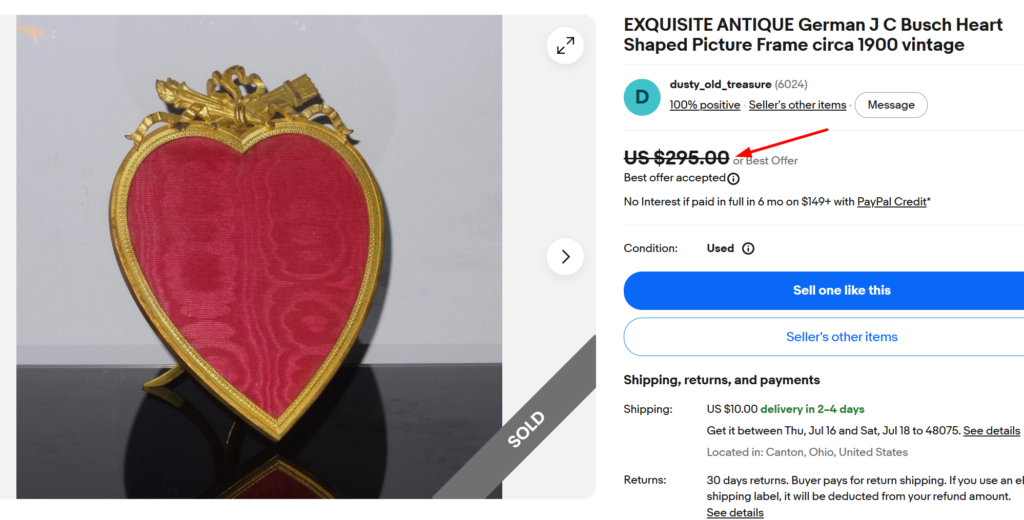
That Grandma’s photo on your shelf is not just a memory; the frame around it might be worth a lot. Victorian gilt gesso frames with hand-carved detail, Art Nouveau bronze frames, and sterling silver photo frames all sell. Look for a partial paper label on the back, since original studio labels help date the piece.
Quick Test: Real gesso is a chalky, hard plaster mix applied over carved wood. If the ornamentation feels like plastic or resin, it’s newer.
- Estimated Value: $50 to $500+
- Production Years: 1870s to 1920s
- What to Check: Gesso vs. resin, hallmarks, labels
- Quick Notes: Hand-carved beats molded ornamentation
5. Crystal & Geode Display Pieces
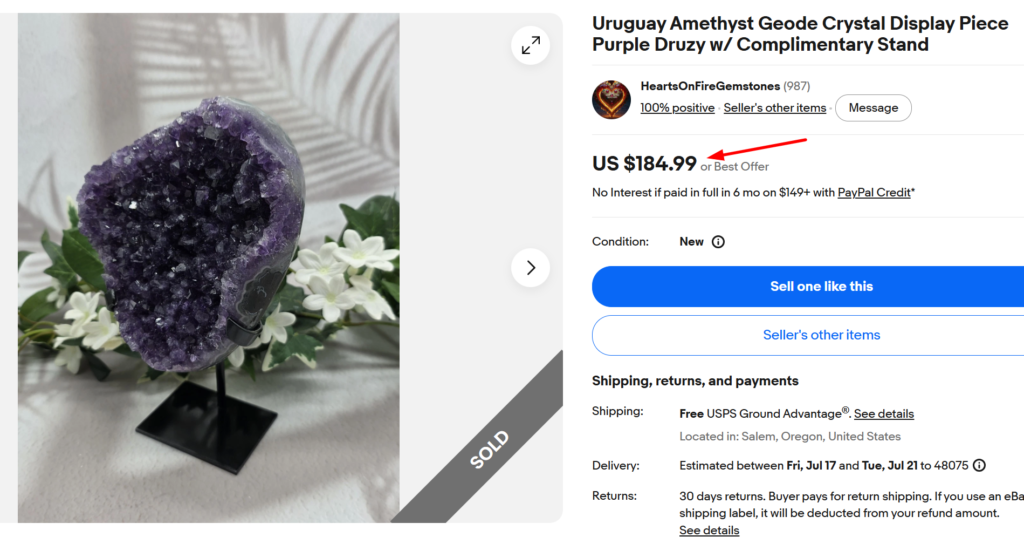
Amethyst geodes and cathedrals have become a big shelf item, and the good ones are pricier than most people think. Uruguayan amethyst, with its deep, saturated purple, and Brazilian amethyst are collectible ones.
Big natural pieces without dyed surfaces and retired Swarovski Silver Crystal figurines with the swan logo are also desirable.
- Estimated Value: $75 to $1,500+
- Production Years: N/A (formation dates natural)
- What to Check: Color depth, weight, natural feel
6. Antique & Vintage Hourglasses
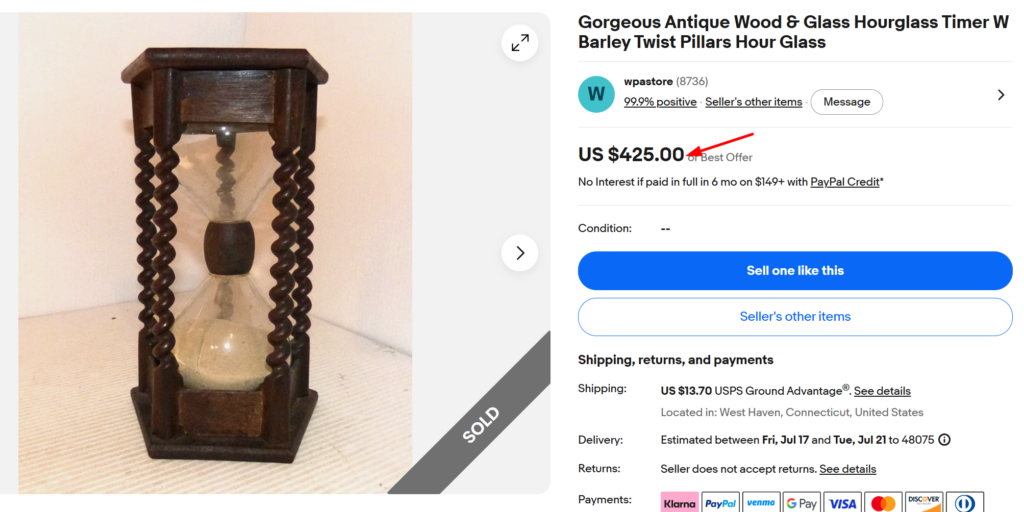
Antique wood and brass hourglasses are one of the best-performing bookshelf collectibles. Victorian brass hourglasses with the sand chamber intact and 18th to 19th-century wooden pillar sand-timers are both collectors’ favorites.
Newer reproduction brass hourglasses are common in the market, so check the weight, patina, and glass quality. Old glass has small bubbles and slight distortion. New glass is uniformly clear.
- Estimated Value: $75 to $800+
- Production Years: 1850s to 1930s
- What to Check: Hand-blown glass, patina, weight
7. Small Sculptures & Busts
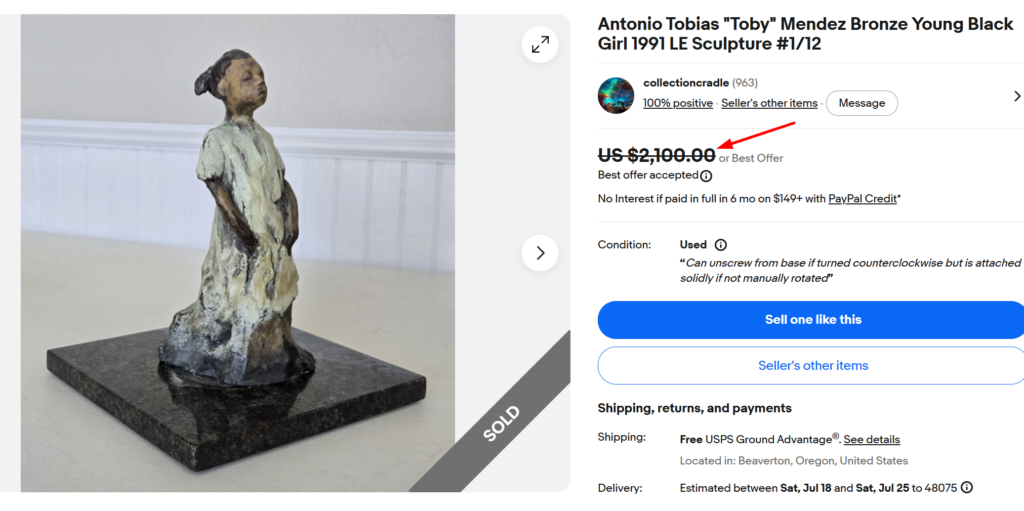
Small bronze busts of composers, historical figures, and mythological subjects are a shelf staple and highly collectible. Napoleon, Beethoven, and Voltaire come up often.
Always check the foundry marks on these pieces. Names like Barbedienne, Susse Frères, and J. Kalmar signal quality on the back or base.
Quick Tip: Spelter and pot-metal reproductions look bronze but weigh half as much and often show gray metal under scratched patina.
- Estimated Value: $100 to $2,000+
- Production Years: 1850s to 1930s
- What to Check: Foundry stamp, weight, real patina
8. Decorative & Keepsake Boxes
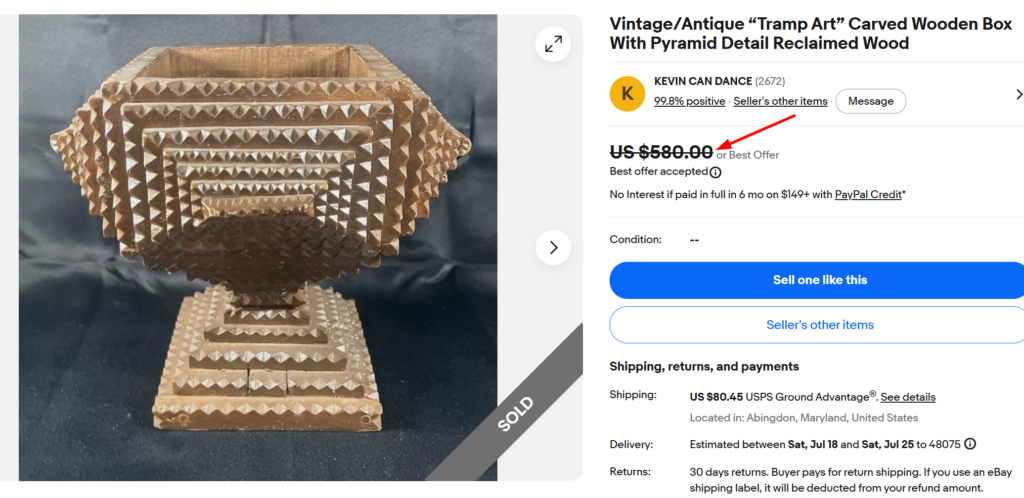
Small wooden boxes often sit unnoticed on the bookshelves. Tramp art boxes with layered, chip-carved wood are folk-art collectibles. Marquetry boxes with true wood inlay, not printed veneer, come up often in French and Italian pieces. Original working locks and keys add real money to these pieces.
- Estimated Value: $50 to $500+
- Production Years: 1870s to 1930s
- What to Check: Dovetail joints, real inlay, original key
9. Souvenir Spoons & Travel Memorabilia
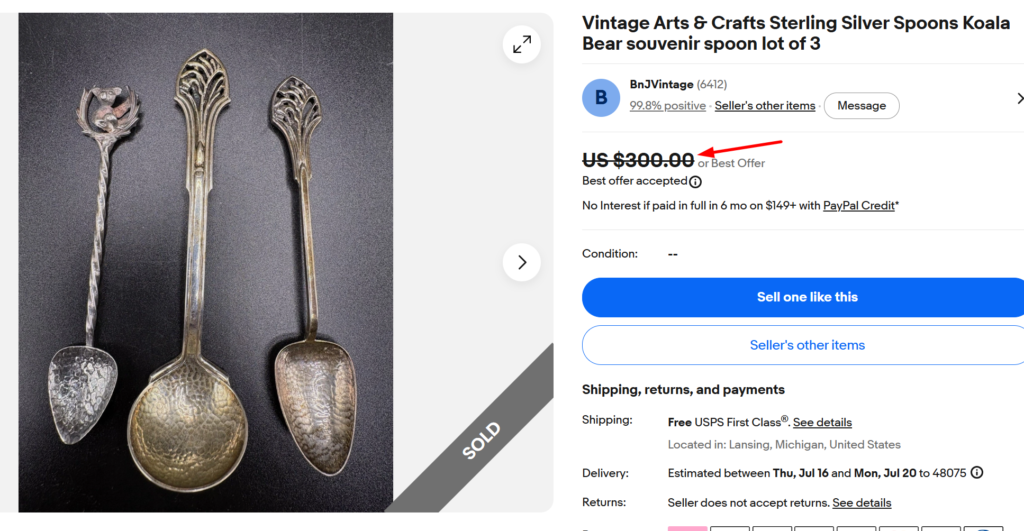
Sterling silver souvenir spoons had a huge collecting craze from about 1890 through 1920, and the good ones sell well today. Enamel bowls, figural handles, and spoons tied to specific historical events are the most collectible of all.
American sterling spoons are marked “Sterling” on the back of the handle. British ones carry a full hallmark row, which makes them easy to date precisely. Silver-plated tourist spoons marked EPNS are worth very little.
- Estimated Value: $15 to $200
- Production Years: 1890 to 1920 (peak era)
- What to Check: “Sterling” mark, enamel condition
10. Antique Perfume Bottles
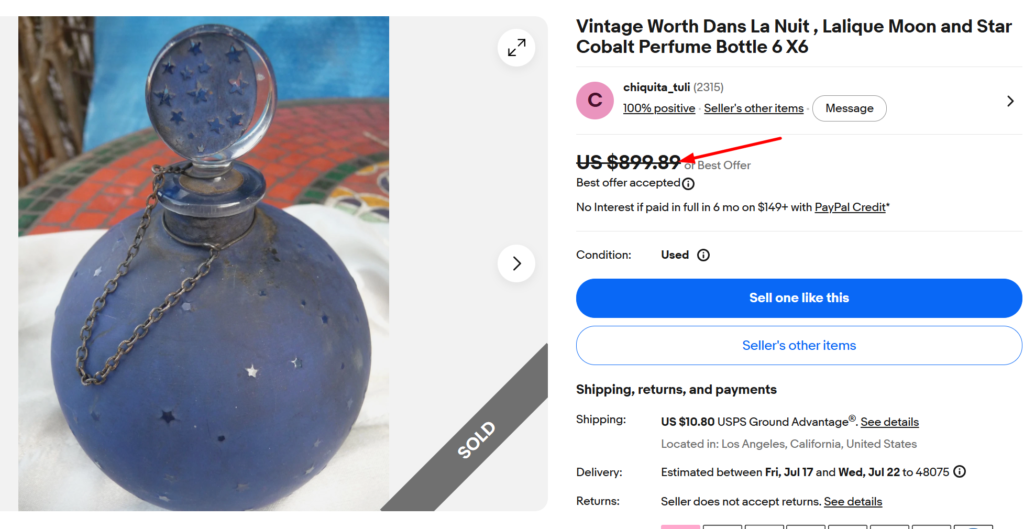
Old perfume bottles are small enough for a shelf but disproportionately valuable. Czech and Bohemian Art Deco bottles from the 1930s with cut glass, jeweled stoppers, or malachite glass are collectors’ favorites.
Baccarat, Lalique, and Hoffmann pieces are the most valuable ones, and marks are usually acid-etched near the base.
Quick Tip: Look for a ground glass stopper that matches the bottle by number, since mismatched stoppers hurt the value.
- Estimated Value: $75 to $1,500+
- Production Years: 1920s to 1930s (Art Deco peak)
- What to Check: Matching stopper number, etched mark
11. Ceramic Animal Figurines
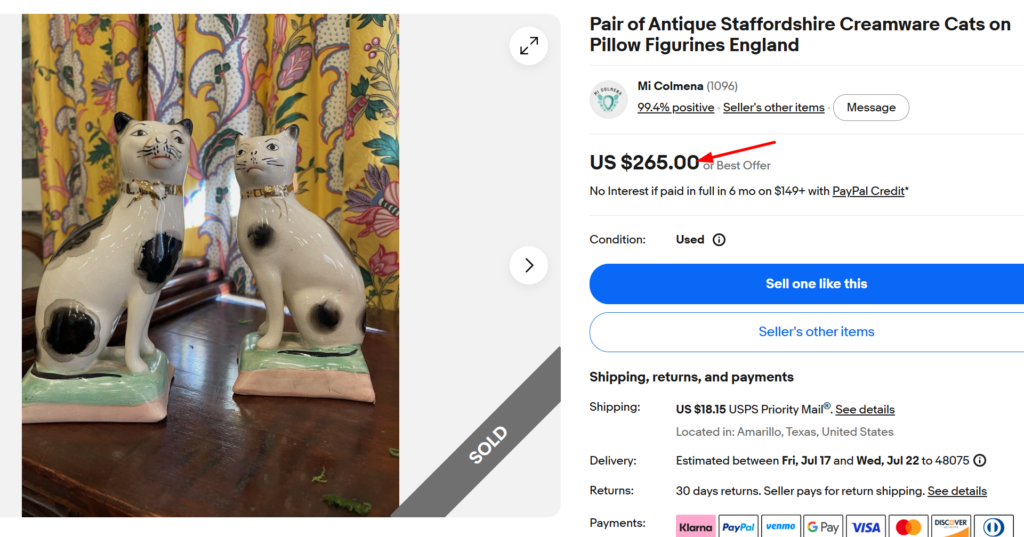
Antique and vintage ceramic animals, especially from brands like Hummel or Precious Moments, have a high resale value today.
Even everyday shelf pieces from makers like SylvaC, Beswick, and Staffordshire can also be quite collectible. Mid-century black panther TV lamps and glossy Beswick horses also do well.
- Estimated Value: $30 to $250
- Production Years: 1930s to 1975
- What to Check: Impressed mold number, uniform mark
What Actually Makes a Bookshelf Knick-Knack Valuable?
Before we get into the list, a few universal rules. These apply to almost everything on a shelf, so knowing them saves a lot of guessing later.
- Check the Base – No matter what the piece is, look for maker’s marks, backstamps, mold numbers, or a signature. Hand-painted marks or impressed stamps usually mean older. Printed labels and stickers came later. If a piece has no mark at all, don’t rule it out yet, but compare it against known makers before deciding.
- Look at the Country of Origin – Certain country marks are dating tools by themselves. “Made in Occupied Japan” only appears on pieces from 1945 to 1952. “West Germany” is post-1949. “Made in Bavaria” is generally pre-1990.
- Weigh It in Your Hand – Weight tells you about authenticity. For example, solid brass feels heavy and cold, but brass-plated pot metal feels light. Real marble is dense and cool, while resin feels warm and hollow. Genuine antique wood also feels different.
- Check Condition – Chips, cracks, crazing, worn gilding, missing pieces. All of these knock value down hard, sometimes by 80 percent or more on high-end pieces. Small wear is fine, but serious damage is a big no.
- Rare Does Not Mean Old – An item can be 100 years old and worth twenty dollars. Another item can be 40 years old and sell for hundreds. Age matters, but rarity, maker, and demand matter more.
Knowing which bookshelf items are collectible will not only save you from selling or donating something valuable, but it can also help you find valuable knick-knacks for your shelf. Use this list to check what you have.